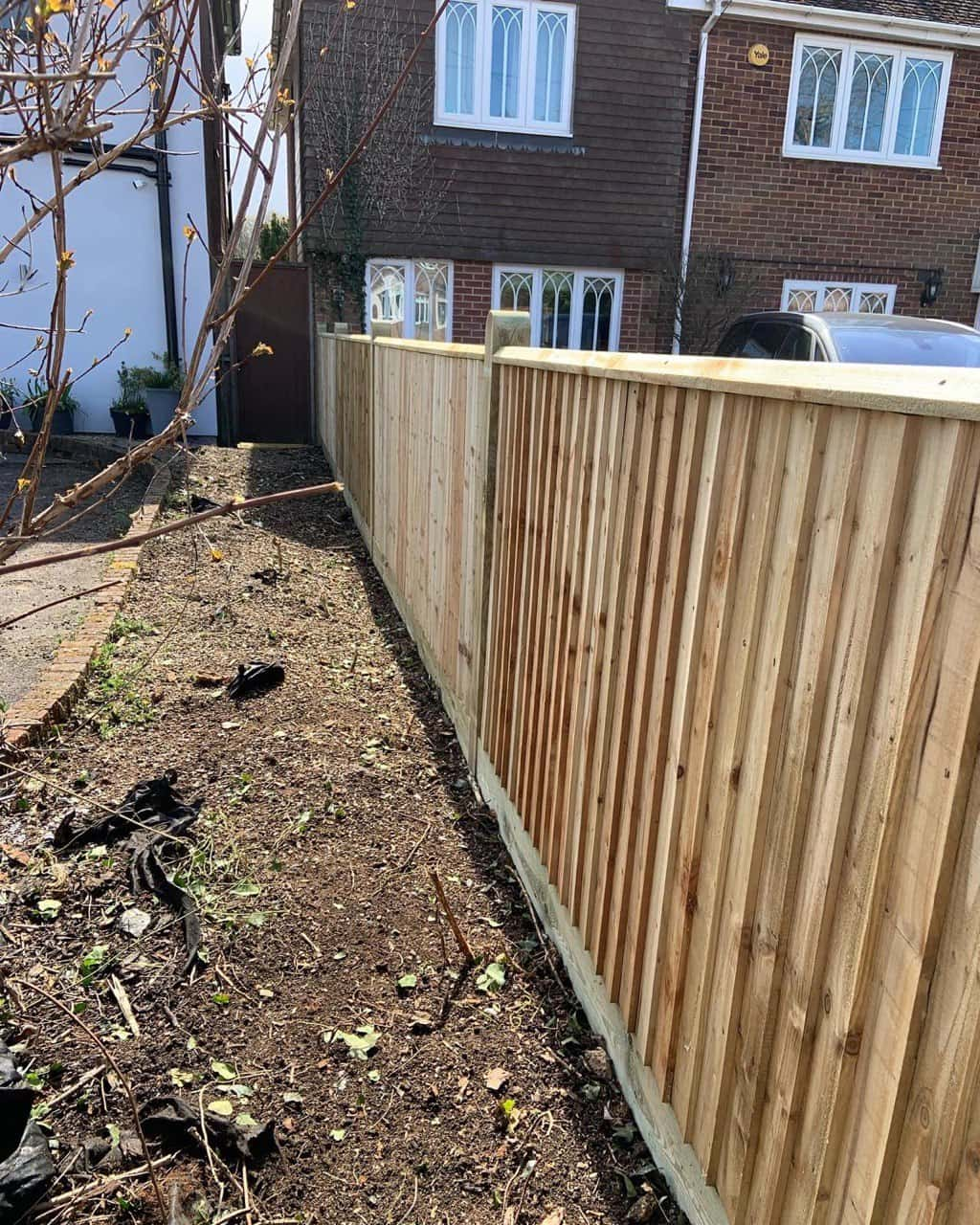
How to Choose the Right Timber Size for Post and Rail Fencing
Choosing the correct timber size is an important part of installing strong, reliable post and rail fencing. The dimensions of the posts and rails affect the fence’s stability, durability and ability to withstand everyday use. Selecting timber that is too small for the intended purpose can lead to movement, sagging or premature deterioration, while appropriately sized components help create a secure and long-lasting boundary.
For property owners in Lakenheath, Suffolk, the right choice will depend on the purpose of the fence, the ground conditions and the layout of the property. Fast Fix Fencing Lakenheath can help identify suitable timber dimensions and install post and rail fencing that meets the practical requirements of the site.
Factors to Consider When Selecting Timber Sizes
Choosing the Right Post Dimensions
Fence posts provide the main structural support for a post and rail fence. They hold the rails in position and transfer pressure from the fence into the ground, making their size particularly important.
The appropriate post thickness will depend on the overall height of the fence, the number of rails and the level of support required. Heavier fencing or installations exposed to greater pressure generally benefit from more substantial posts.
Post length also needs careful consideration. Enough timber must extend below ground to provide secure anchoring, while the exposed section must reach the intended fence height. The depth required will vary according to the soil conditions, fence design and installation method.
Selecting Suitable Rail Thickness and Width
Rails connect the posts and create the horizontal structure of the fence. Their dimensions should be suitable for the distance between posts and the demands placed on the finished installation.
Longer spans may require stronger or thicker rails to reduce the risk of bending or sagging. The number of rails should also be considered, particularly where the fence is intended to provide a clear boundary or help contain animals.
Consistent rail dimensions help create a neat appearance and ensure that the finished fence has a balanced structure. The rails should also be properly secured to the posts to prevent unnecessary movement.
Matching Timber Sizes to the Purpose of the Fence
Not every post and rail fence has the same requirements. A decorative boundary may not need the same timber dimensions as fencing designed for agricultural use or animal containment.
For example, a fence intended to contain livestock must be designed with suitable strength, spacing and overall height. The rails and posts need to withstand the pressure and movement associated with the animals being contained.
For garden boundaries or larger open spaces, the main considerations may be structural stability, appearance and the ability to follow the property’s layout. Choosing timber sizes according to the intended use helps avoid unnecessary weaknesses.
Considering Ground Conditions in Lakenheath
Ground conditions influence how securely fence posts can be installed. Softer or less stable ground may require additional consideration when selecting post dimensions and determining installation depth.
The spacing between posts is equally important. Wider gaps can place greater demands on individual rails, while closer spacing can provide additional support. The layout should account for changes in ground level and any areas where the fence may experience additional pressure.
A site assessment helps establish the most suitable combination of post size, rail dimensions and spacing for the conditions on the property.
Understanding Timber Quality and Treatment
Timber dimensions are only one part of a durable fencing installation. The quality and treatment of the wood also influence how well it performs outdoors.
Timber used for external fencing should be appropriately treated to help protect it against moisture, fungal decay and insect attack. Particular attention should be given to the sections installed in the ground, as these are exposed to prolonged contact with damp soil.
Straight, sound timber with minimal defects is also preferable, as significant splits or weaknesses can affect the strength and appearance of the finished fence.
Why Professional Installation Makes a Difference
Even correctly sized timber can underperform if the fence is poorly installed. Posts that are not securely positioned, uneven rail spacing or unsuitable fixings can affect the stability of the entire structure.
Fast Fix Fencing Lakenheath can assess the intended purpose of your fencing, consider the ground conditions and recommend suitable timber sizes for the installation. Careful positioning and secure fixing help ensure that the posts and rails work together as a strong, consistent structure.
Conclusion
Choosing the right timber size for post and rail fencing involves more than selecting posts and rails that look substantial. Fence purpose, post depth, rail spans, ground conditions and timber quality all contribute to the strength and lifespan of the finished installation.
If you are considering post and rail fencing for your property, Fast Fix Fencing Lakenheath can help you choose a suitable design and timber specification. Get in touch to discuss your fencing requirements in Lakenheath, Suffolk, and arrange a professional installation.
Call us on: 01842 771 088
Click here to find out more about Fast Fix Fencing Lakenheath
Click here to complete our contact form and see how we can help with your fencing needs.